CORE TEAM

Hanna B. Hölling is a Research Professor at the Bern University of the Arts, where she leads research in the area of her expertise. She is also an Honorary Fellow at the Departmnet of History of Art, University College London, where she previously served as an Associate Professor in Art History, Materials and Technology. Prior to these roles, Hanna was Andrew W. Mellon Professor, Cultures of Conservation, at the Bard Graduate Center, New York and earned her PhD from the University of Amsterdam. Her research, teaching, and advising address subjects in art history and theory, media and material (culture) studies, museology, conservation, and American and European art created since the 1960s. Her publications include seven books. Two are sole-authored monographs. Her writings appeared in peer-reviewed journals, edited volumes and exhibition catalogs. She serves as an advisor on international research projects and academic programs. For more information, follow this link. On the project, she serves as Principal Investigator and Project Lead. Her focus will be on the three main themes, communities of practices/expertise, transversal conservation and experimental approaches to conservation.
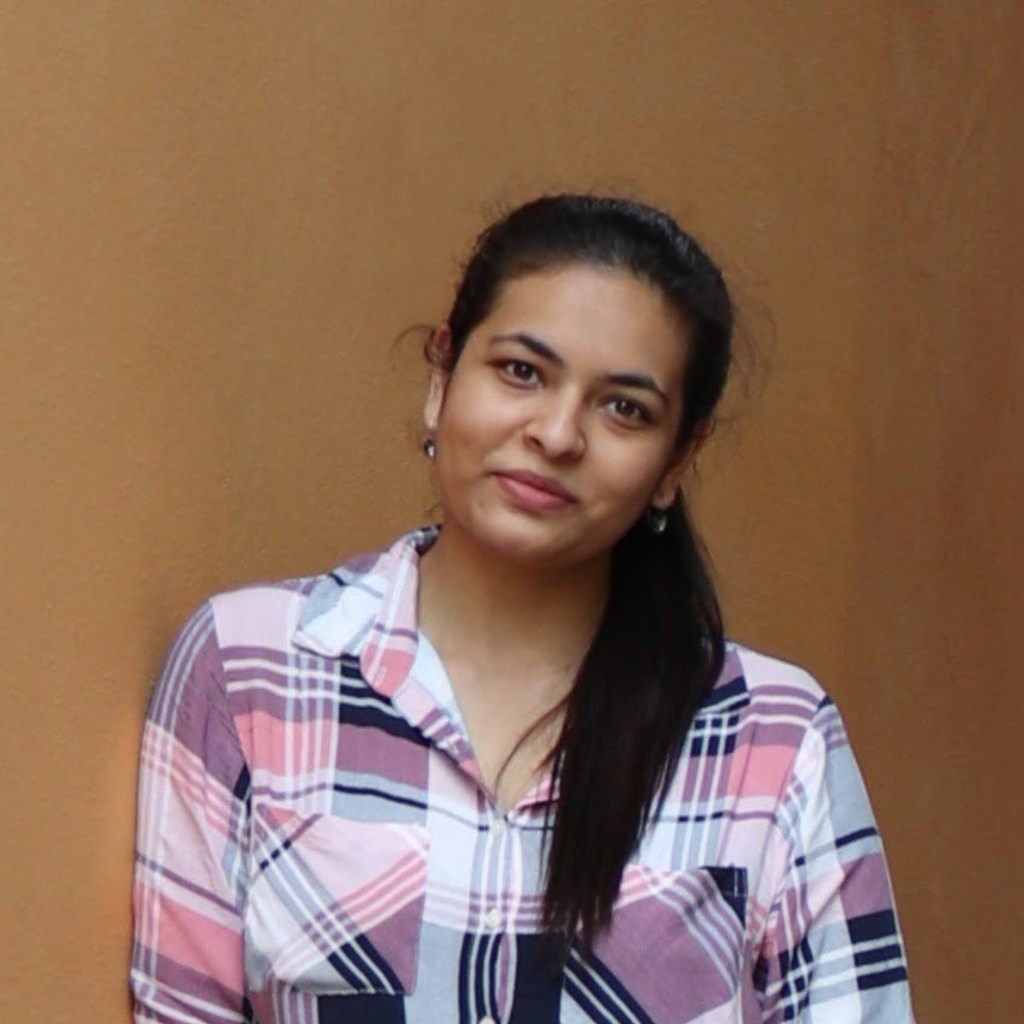
Samidha Pusalkar is a heritage professional with a PhD in Preservation of Architectural Heritage from Politecnico di Milano, Italy. Her doctoral research explored context-sensitive approaches to conserving living heritage, examining socio-religious values and community practices to understand the complexities of conservation processes. She holds an MA in Architecture and Historic Urban Environments from the Bartlett School of Architecture, University College London; a BA in History from Savitribai Phule University, Pune; and a Diploma in Built Heritage Studies and Conservation (BHSC), Mumbai.
Trained across history, archaeology, architecture, urban studies, and cultural management, her work engages with built heritage through the lenses of intangible values, placemaking, community participation, and heritage policy.
Samidha has over eight years of international experience, having worked with organisations including English Heritage, ICOMOS, Future for Religious Heritage, INTACH, and ESACH. She currently serves on the Scientific Advisory Committee of Future for Religious Heritage and chairs its Young Professionals Working Group, which she founded in December 2023.
Within the SNSF Critical Conservation research project, Samidha will conduct research on communities of practice, non-Western expertise, and transversal conservation, with a focus on heritage contexts in South Asia.

Juliana Robles de la Pava is a researcher, lecturer, and curator working at the intersection of contemporary art, aesthetics, environmental humanities, and critical heritage studies. She holds a PhD in Theory and History of the Arts from the University of Buenos Aires and has pursued further studies in curatorial practice, philosophy, and climate change. Her research draws on posthumanist and neomaterialist theory, science and technology studies, and Latin American art, with a focus on material infrastructures, situated ecologies, and alternative epistemologies.
She has received research funding and fellowships from CONICET, the Getty Research Institute, the Bunge y Born Foundation, and the Max Weber Foundation. She has held teaching positions at the Universitat Oberta de Catalunya and the University of Buenos Aires, and has curated collaborative, research-based exhibitions in Europe and Latin America. She was a research fellow at the Käte Hamburger Kolleg inherit. heritage in transformation at Humboldt-Universität zu Berlin. Within the SNSF Critical Conservation, her research examines counter-narratives of conservation in South America, with particular attention to the Amazon, exploring how community-based and artistic practices reframe care, responsibility, and heritage beyond extractivist paradigms.
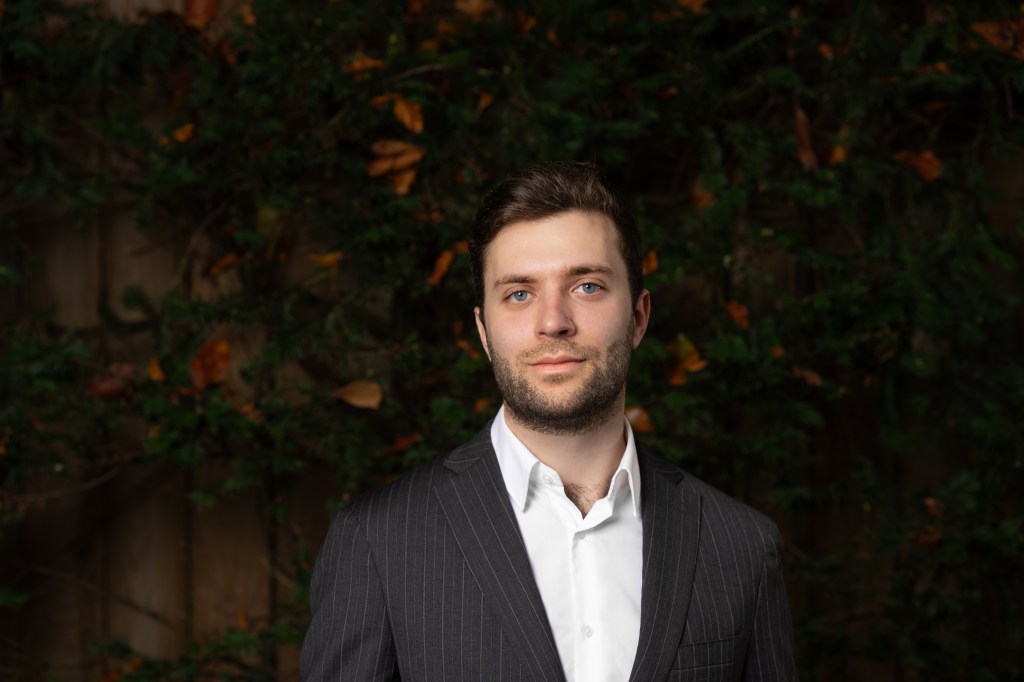
Marcello Rechberger studied Art History and Philosophy at the University of Zurich and the Free University of Berlin. His studies were enriched by a language study programme at Saint Petersburg State University. He earned his Master’s degree from the University of Zurich with a Master’s Thesis focusing on the use of Prussian Blue in Thomas Gainsborough’s Blue Boy from 1770. During his studies, he was engaged as a student assistant at various chairs and for different research projects, such as the SNSF-funded project The Churches of the City of Rome in the Middle Ages, 1050–1300. After graduation, he worked in different art historical collections, both in the public and private sectors. In our SNSF Critical Conservation project, Marcello will serve as a Project Assistant. In addition, he is currently working at an auction house in Zurich and is preparing his doctoral thesis. His main research topics are the relationship between avant-garde and totalitarianism and the materiality of pigments.
 Center for Critical Conservation